
 3S
3S


Socio-Media Studies Program Research Close-up
Why do people go to live shows? Exploring the relationship between "music" and people and society
[Research] Interpreting the Ever-Expanding Music Live Market Through a Sociological Lens
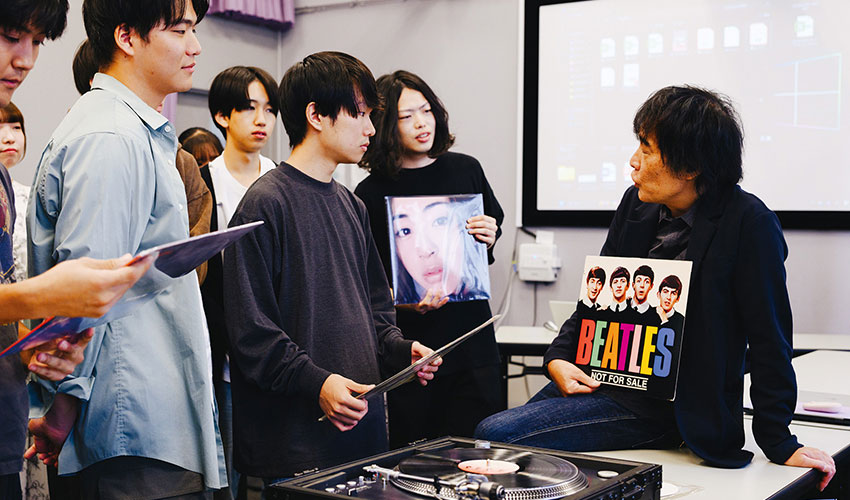
The music live market, which expanded in the 2010s, has regained momentum after the COVID-19 pandemic. Why is live music culture so lively? I consider the reasons for this from the perspective of 'music sociology,' which explores the relationship between music and people.
When you attend a live show, the sound and sights you can't experience in daily life bring you 'joy,' but at the same time, if the crowd is crowded, 'pain' can also follow.
It is a place where such emotional movements can trigger a chance to reaffirm one's own existence and sensibility. I believe that people are strongly drawn to live performances precisely because the moment arrives, called "aesthetic recursion," when they reconstruct themselves and society through aesthetic experiences.
Furthermore, with the recent spread of video streaming and subscriptions, it has become possible to access a wide variety of live footage regardless of era or region. The shift in listening experience from "recording sources to live sound images" is also contributing to the current popularity of live performances.
To test these hypotheses, I am conducting research using various techniques. Surveys that statistically process people's psychology, fieldwork at live shows and festivals both in Japan and abroad, and digital behavioral surveys that measure audience heart rates.
To unravel the space where the energy of live shows swirls, they continue to delve deeper through multifaceted approaches. Since I carry the banner of music sociology, I feel it is my responsibility.
Furthermore, with the recent spread of video streaming and subscriptions, it has become possible to access a wide variety of live footage regardless of era or region. The shift in listening experience from "recording sources to live sound images" is also contributing to the current popularity of live performances.
To test these hypotheses, I am conducting research using various techniques. Surveys that statistically process people's psychology, fieldwork at live shows and festivals both in Japan and abroad, and digital behavioral surveys that measure audience heart rates.
To unravel the space where the energy of live shows swirls, they continue to delve deeper through multifaceted approaches. Since I carry the banner of music sociology, I feel it is my responsibility.
[Seminar] Honing perspectives for understanding culture and social sensibility
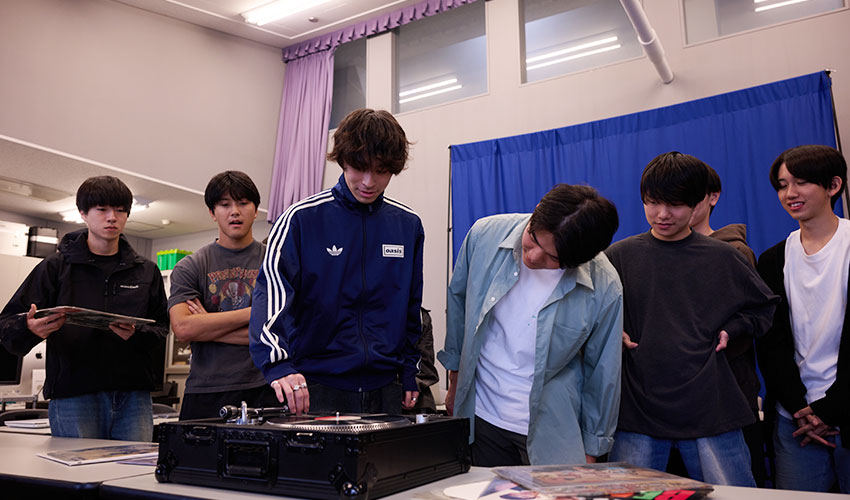
The theme of the seminar is 'Analysis of Society and Media through Popular Culture,' with research subjects ranging widely from music, film, comics, novels, to games.
However, it is not simply about appreciating the work and subjectively criticizing it. Our seminar is characterized by delving into and considering "what works mean to contemporary society." By relating it to media theory and youth culture theory, you will consider the relationship between culture and society from your own perspective.
To build this foundation, in the spring semester of the third year, students conduct group work on literature related to music sociology and conduct actual research. In the fall semester, students will work on individual research and connect it to their fourth-year graduation project.
For example, even with popular music, a wide range of themes can be considered, such as the meaning of music genres, the realities of the music industry, the relationship with fashion trends, and perspectives on gender studies. I hope you will value the questions that arise during your studies and approach your graduation thesis from a unique perspective.
To build this foundation, in the spring semester of the third year, students conduct group work on literature related to music sociology and conduct actual research. In the fall semester, students will work on individual research and connect it to their fourth-year graduation project.
For example, even with popular music, a wide range of themes can be considered, such as the meaning of music genres, the realities of the music industry, the relationship with fashion trends, and perspectives on gender studies. I hope you will value the questions that arise during your studies and approach your graduation thesis from a unique perspective.
That said, a sociological perspective is not something you can acquire overnight. To allow people to view things from various angles, discussions often include questions like "How is it in other countries?" or "How was it in the past?" These kinds of questions are sometimes asked.
Be aware of what lies beyond your own interests and think persistently. By gaining such experiences, I hope you will develop the essential perspective for capturing culture and the sense for understanding society—essential for sociological research.
Be aware of what lies beyond your own interests and think persistently. By gaining such experiences, I hope you will develop the essential perspective for capturing culture and the sense for understanding society—essential for sociological research.
Professor Katsuya Minamida
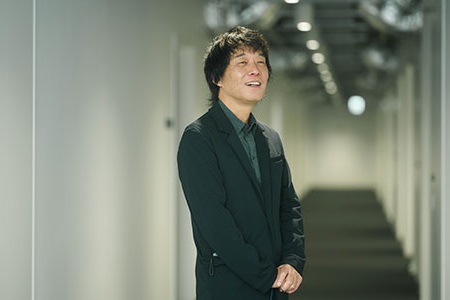
He completed the doctoral program at the Graduate School of Sociology, Kansai University. Ph.D.(Sociology)。 After serving as an associate professor at Kobe Yamate University, he has held his current position since 2009. His specialties are music sociology, information media studies, urban culture theory, social research theory, and contemporary youth studies.
- See close-ups of research in other majors as well