
 3S
3S


Global Studies Program (GS Major)
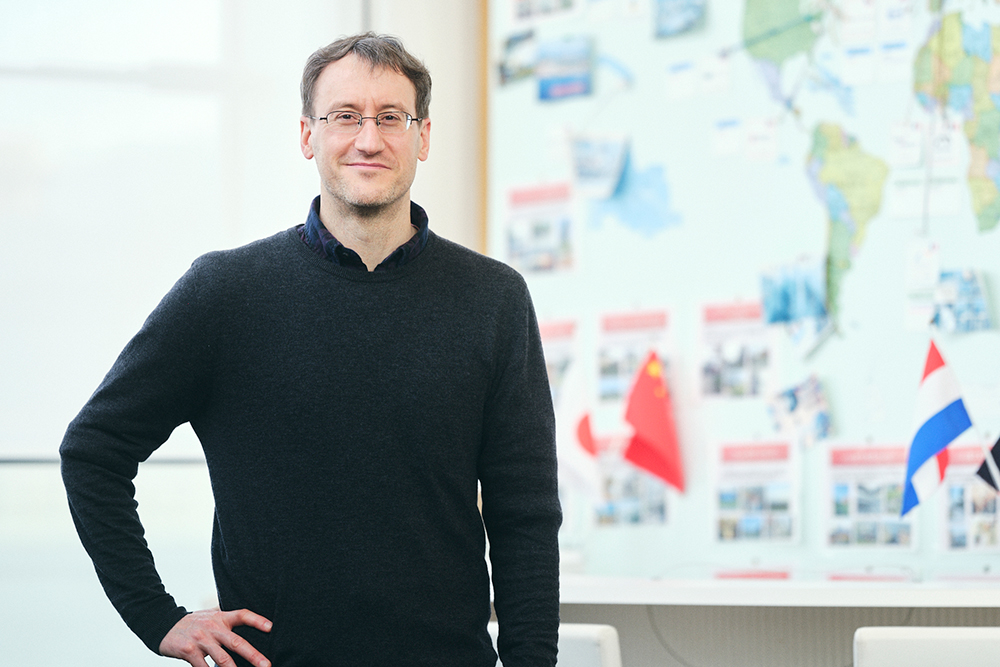
Think critically about today’s interconnected world. Reach out to others.
Paul Minford
Key Features of Global Studies Program
POINT 1
Our faculty members come from a variety of linguistic and cultural backgrounds and work with students in small classes to foster their academic curiosity. We provide a warm, supportive academic learning environment to help students gain confidence in academic learning and communicating in English.
POINT 2
The curriculum, which is centered on seminars but also incorporates practical and extracurricular learning opportunities, and the support system tailored to each individual, are designed to encourage independent academic learning and a spirit of inquiry, allowing students to take responsibility for their own academic learning and acquire the skills to achieve their future goals.
POINT 3
In the Capstone Project, students can choose from three formats that best suit their needs: a traditional academic paper, a portfolio of art, video work, essays, novels, and an advocacy campaign to solve social problems. In consultation with their supervisor and other seminar students, students will develop their creativity and autonomy through the process of completing the Capstone Project in line with their academic interests and future plans.
A diverse liberal arts curriculum to solve global issues
-
Specialization and curriculum
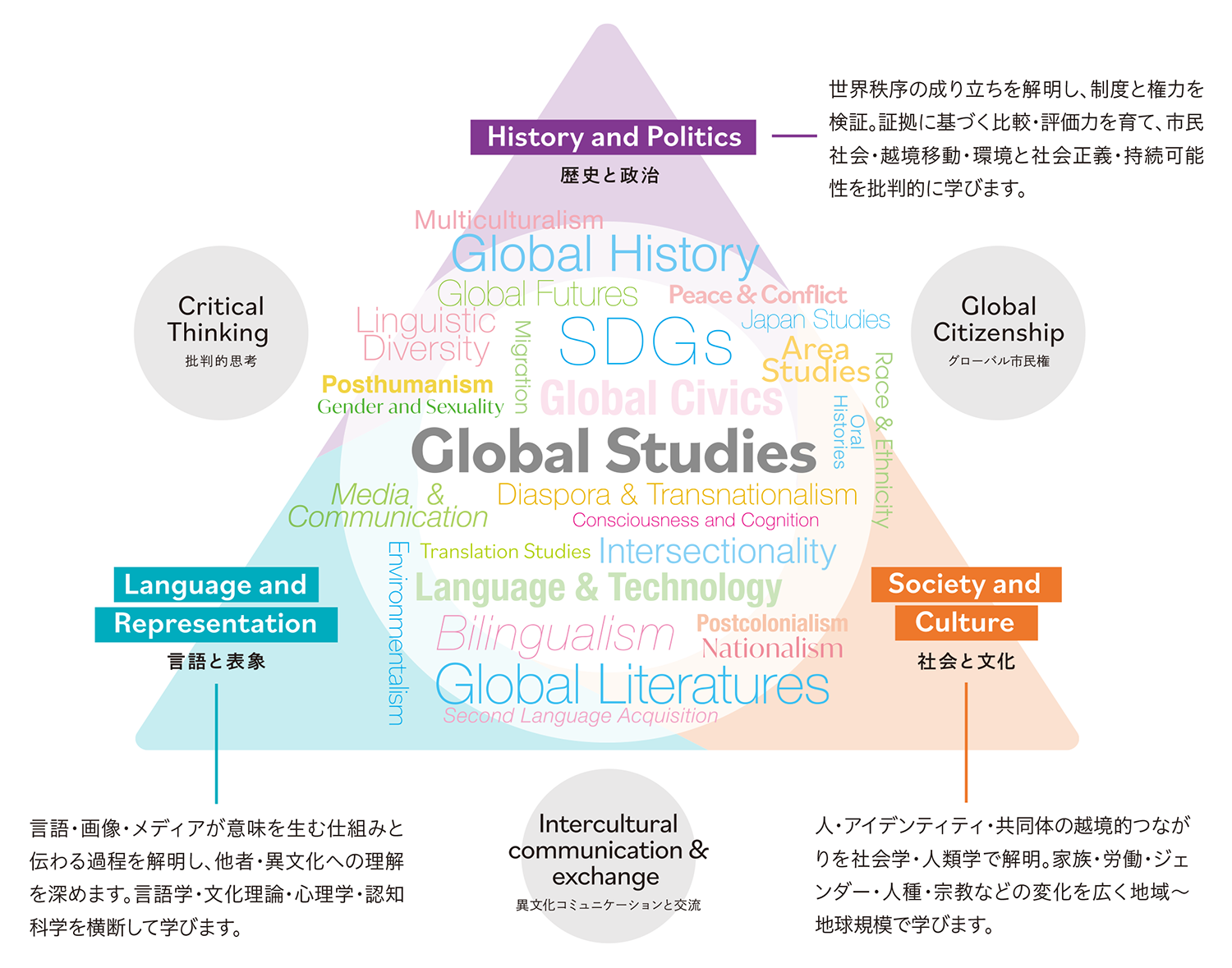
Global Studies Program offers a diverse and wide-ranging curriculum aimed at equipping students with the English language proficiency, media literacy, and intercultural understanding necessary to investigate issues of globalization, understand the processes of communication and artistic creation, and actively participate in shaping the global society of the future.
-
Class Introduction
Let me introduce Global Studies Program 's class.
-
Seminar list and Faculty Members
We introduce a list of seminars in Global Studies Program and our faculty members from Japan and abroad who are well versed in a wide range of fields.
-
Global Studies Program Research Close-up
Here are some notable studies by Global Studies Program faculty.
-
Musashi campus life
Current students talk about their faculties, departments, seminars, and the future. Learn about the real Global Studies Program only current students can tell you.
-
Global Studies Abroad
Global Studies students are strongly encouraged, although not required, to take advantage of the various opportunities available to them to gain real-life intercultural experience through participation in activities such as volunteering abroad and short- or long-term study abroad.
Students may also undertake overseas research for their capstone projects.
Scholarships for Global Studies Program
- Types of Scholarships
- Short-term Study Scholarship
- Capstone Fieldwork Scholarship
- For more information about scholarships for Global Studies Program please click here