
 3S
3S


Department of European Studies Research Close-up
Can you see the real society of that time through paintings created during the Renaissance?
[Research] Tracing the social movements and people's thoughts reflected in a single painting
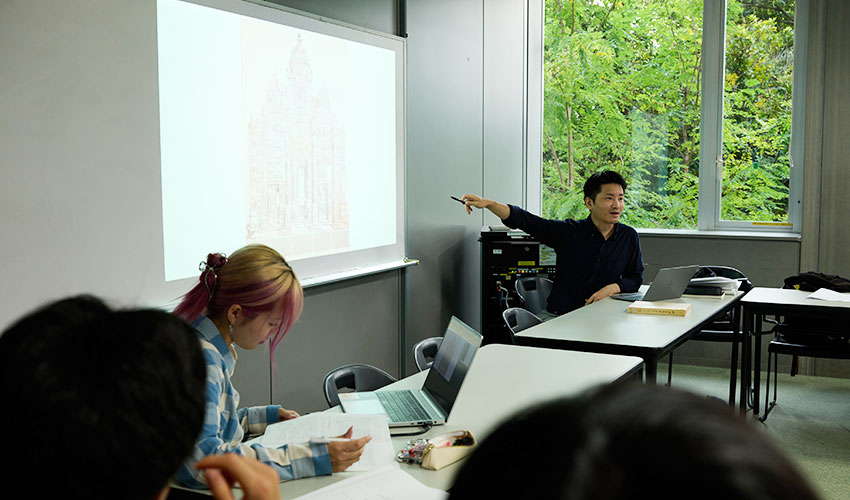
When you see famous paintings in a museum, many people will find them "beautiful." However, if you focus on "the social background in which the painting was created," you may discover a different perspective. I am engaged in research to reinterpret Renaissance painting from a new perspective, using the political and religious circumstances of the era in which my works were created. For example, works by 16th-century Venetian painters, including Titian. Many of these works, still highly regarded today, strongly reflect the intentions of the Catholic Church, which was the client, or the Holy Roman Emperor, who had close ties to the church. At that time, the Reformation originating with Luther was intensifying conflicts with Protestants. Among the portraits of emperors, some feature the striking use of red, a symbol of Catholicism, as well as depictions of ancient Roman emperors fighting pagans. If you appreciate a work without understanding its historical background or iconography tradition, even if you simply find it 'beautiful,' when compared with contemporary historical materials, the political or religious intentions of the creator or client may come to light.
Another point I keep in mind in my research is a perspective that is not confined to the framework of each country, such as Italian art history or German art history. The formation of nation-states as we see them today began only in modern times. During the Renaissance, European borders were more ambiguous than they are now, with each city building diverse networks and artists actively coming and going. By focusing on such rich internationality, we hope to clarify the trajectory of cultural exchange and new aspects of our works.
[Seminar] Deep Learning Born from 'Empathy' and 'Imagination' for Different Eras and Cultures
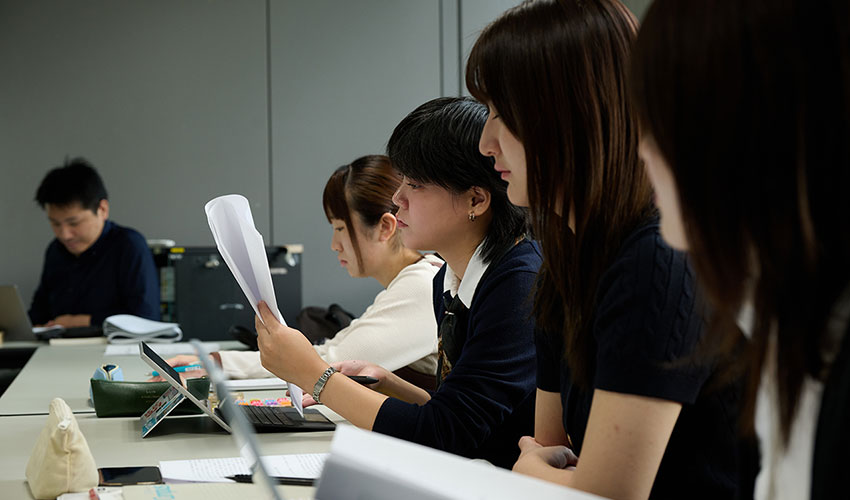
In seminars, we focus not only on analyzing works from an artistic perspective but also on consciously considering the "connection between art and society." Since there are still not many books in Japan that comprehensively discuss Renaissance art from such perspectives, we read English literature and hold discussions in the spring semester of the third year. While it is important to carefully interpret the issues and artworks addressed in the text, he also asks people not to lose sight of their own questions: "What did I feel when I saw the work, and how did I think?" Rather than blindly accepting all previous research, having your own perspective adds depth and originality to your discussions.
In the fall semester, students will focus on their graduation thesis, choosing a theme and presenting individually. To explore thoroughly from a unique perspective, it is not uncommon to refer to books or papers in foreign languages. I believe that exposing a substantial amount of English sentences during the spring semester of the third year is meaningful as a first step toward that. Research requires objective and logical analysis based on historical sources, but it is also essential to reflect on "what kind of society spread behind it, and what kind of days people lived." When you glimpse empathy for ancient people and imagination about different eras and cultures, the depth of your consideration increases dramatically. The ability to uncover hidden backgrounds and unseen issues should be useful in every situation once you enter society. I hope you will nurture rich imagination and the ability to develop your own perspective and analytical thinking from a unique perspective in this seminar.
Yuma Kubo Assistant Instructor
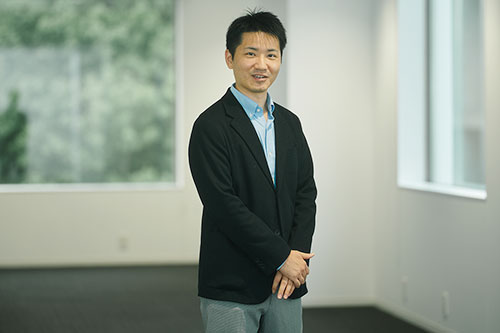
Completed the master's program at the Graduate School of Humanities and Sociology, University of Tokyo. He completed the doctoral program (Ph.D.) at the Faculty of Humanities and Philosophy at the Higher École Normale Supérieure de Pisa in Italy. After serving as a researcher at the Robert Longi Foundation for Art History and as a Special Research Fellow PD at Kyoto University for the Promotion of Science, he has held his current position since 2024. His specialties are Western art history and Renaissance art history.
- See close-ups of research in other majors as well