
 3S
3S


What is a seminar?
What is a seminar?
The seminars are proactive and interactive, and diverse opinions are stimulating

A "seminar," or more commonly known as "zemi," is a class format in which students actively exchange opinions and engage in lively communication.
Seminars are conducted in small groups, and students independently decide on a research topic, then deepen their specialized knowledge through discussions and other activities. Discussions and presentations hone the ability to logically communicate research results, while also leading to new realizations by being exposed to opinions different from one's own. In group work, students become aware of the importance of teamwork and their own strengths as they independently fulfill their roles.
On the other hand, what are lectures?

Gain knowledge from a variety of teachers and broaden your interests
Lecture-style classes are generally held in large classrooms, with students listening to the teacher and taking notes as necessary. This allows students to acquire specialized knowledge in the field that the teacher has been researching for many years, and also provides an opportunity for students to discover new areas of interest. The key is to not just accept the lecture content at face value, but to pursue any points that interest you, such as "why?" and "what does that mean, for example?" This proactive attitude will lead to independent research in seminars.
How to learn in a seminar
Literature reading and research

All students read the same textbook, summarize the contents, give a presentation, and discuss the presentation contents. Everyone has different impressions and opinions. Recognizing these differences is the first step to deepening your learning.
Fieldwork
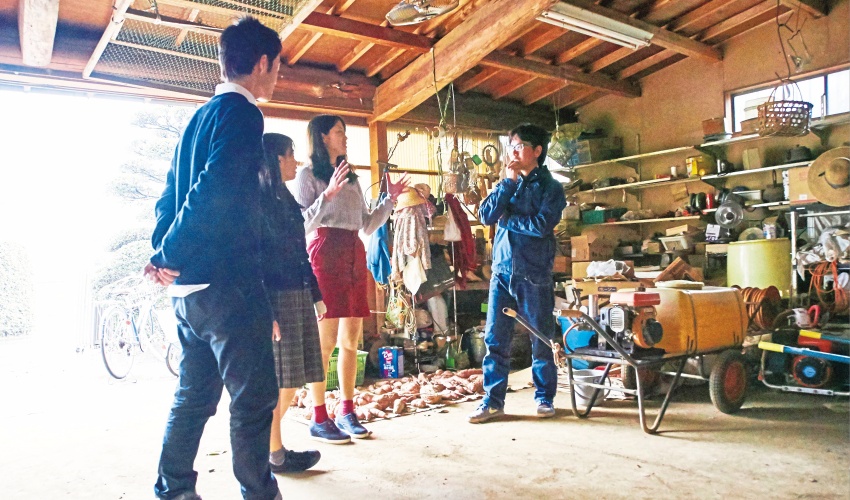
We go out to the town to check for information that is not in the textbook. It is also a valuable experience to think up survey questions and proactively ask questions. Survey results are compiled in graphs, trends are analyzed, and then presented.
discussion

Express your opinions based on materials and data that you have collected yourself. Listen to the opinions of others and sometimes learn from their counterarguments. Rather than "defeating" the other person, you learn from each other by persistently clashing ideas.
announcement
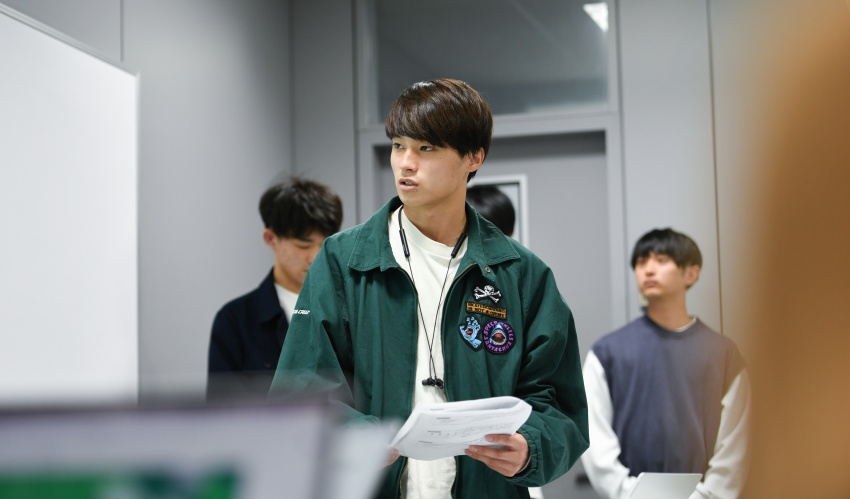
Summarize your thoughts in a logical and easy-to-understand story. Effectively use graphs and images, as well as gestures, speech, and other expressive abilities to communicate your research findings in an easy-to-understand way.