
 3S
3S


Science Laboratory Course (Biology)
Living things are a general term for things that have "life" such as animals, plants, and microorganisms that cannot be seen with the naked eye. In the Science Lab course (Biology), we use living things and food around us as materials for observation and measurement, and investigate the mechanisms of life through life science experiments. One of the goals of this class is to scientifically understand the relationship between humans and nature.
More than 180 species of trees thrive on the campus of Musashi University. Thanks to this lush green environment, we are always able to enjoy clean air, even though we are located in the city center. The plants around us use carbon dioxide to create organic matter and oxygen that make up living organisms through photosynthesis. When sufficient oxygen is delivered to cells throughout the body, people feel more energetic and their learning efficiency improves.
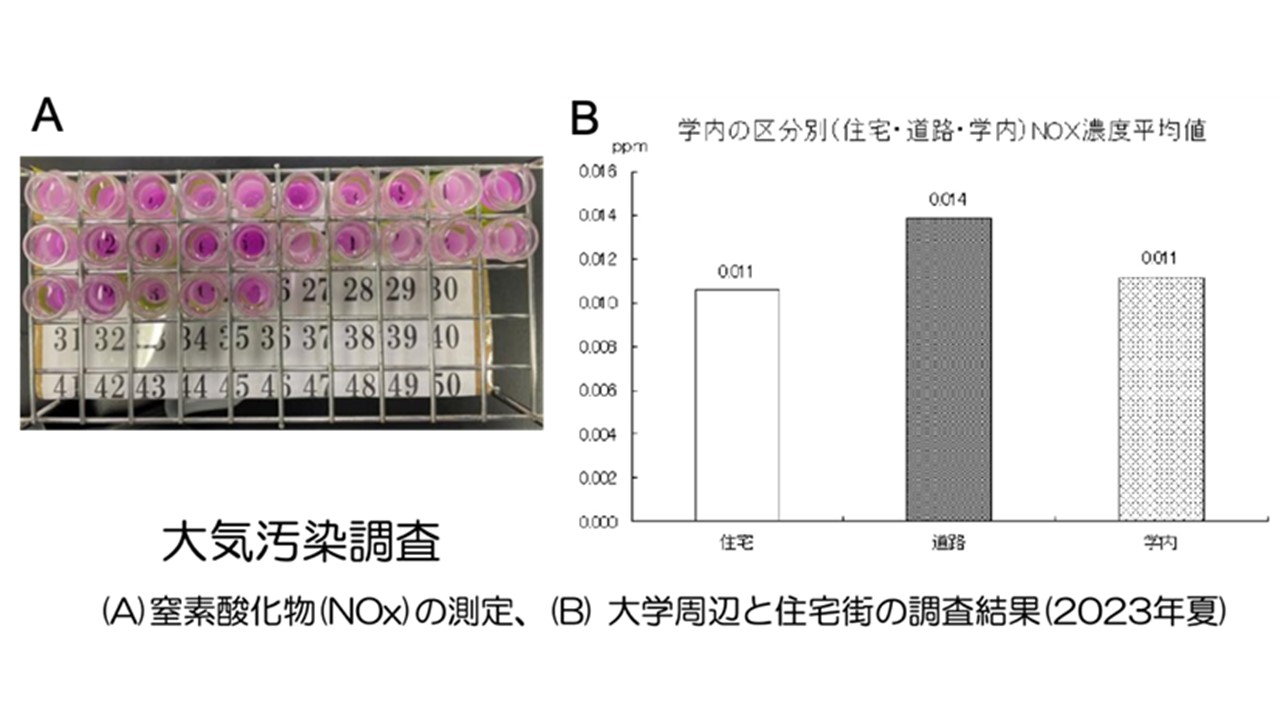
Plants are known to absorb nitrogen oxides (NOx), an air pollutant, and play a role in protecting the global environment. In air pollution surveys, we take samples from several locations on and off campus to find out what is happening in the environment around us, and measure air pollutants in the laboratory.
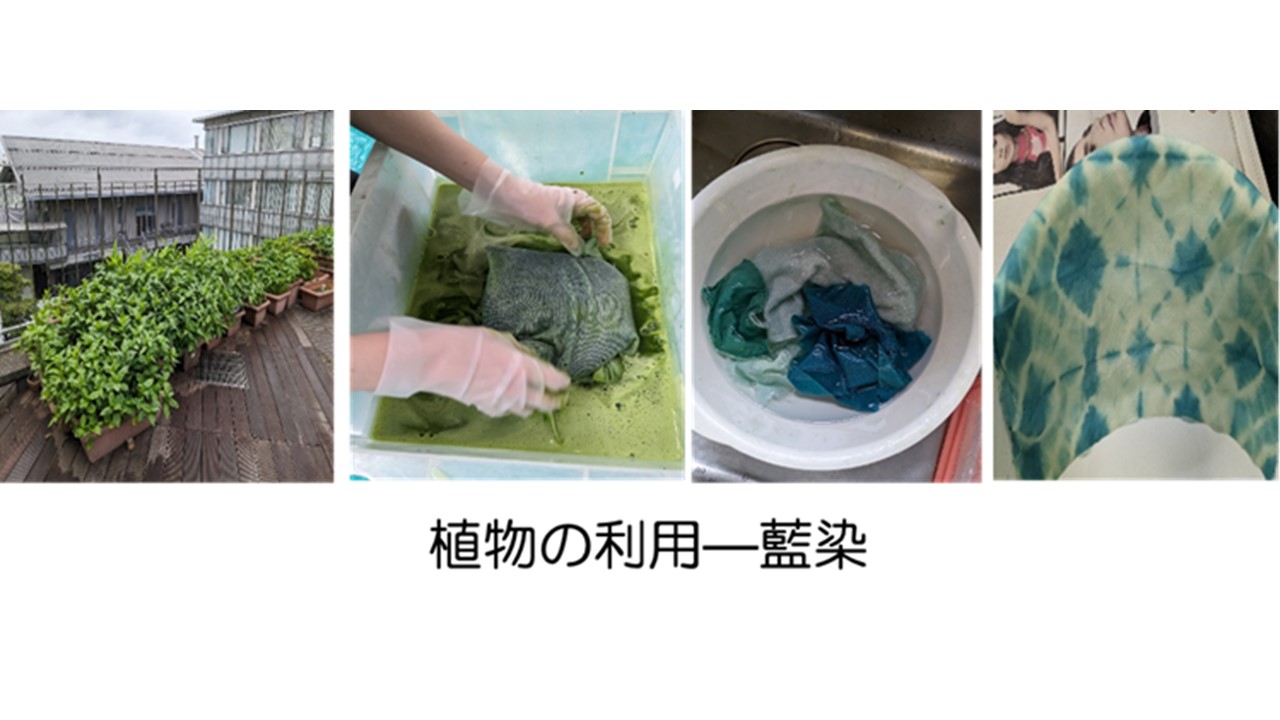
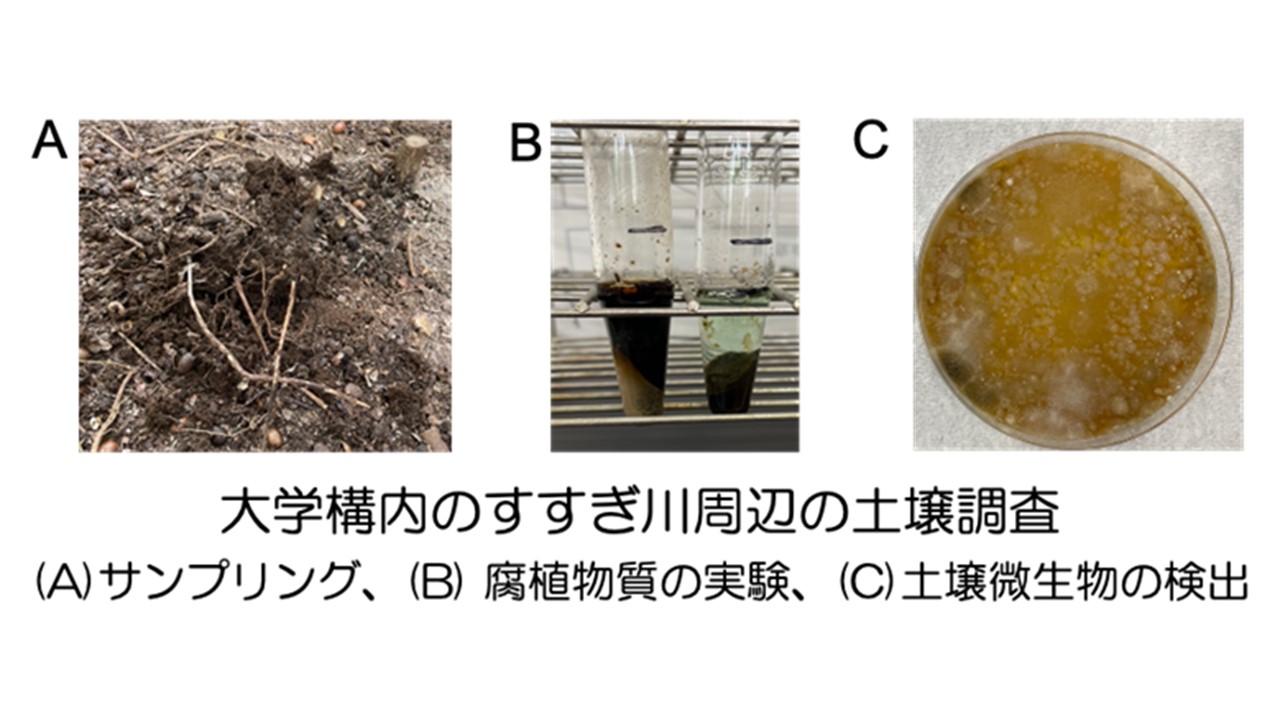
The practical training and experiments using plants include indigo dyeing, microscopic observation of plant cells, and detection of humus. Humus is organic matter that is decomposed and resynthesized by microorganisms from fallen leaves and dead organisms. Organic matter in the soil is converted into carbon dioxide by the action of microorganisms and can be used by plants again.
In this way, part of the carbon on Earth circulates from nature → plants (→ animals) → microorganisms → nature. Carbon dioxide is one of the greenhouse gases. As human activities, especially industrialization, accelerate, the amount of carbon dioxide released into the atmosphere becomes excessive, and carbon fixation is significantly reduced due to deforestation. This will disrupt the carbon cycle on Earth and lead to global warming.
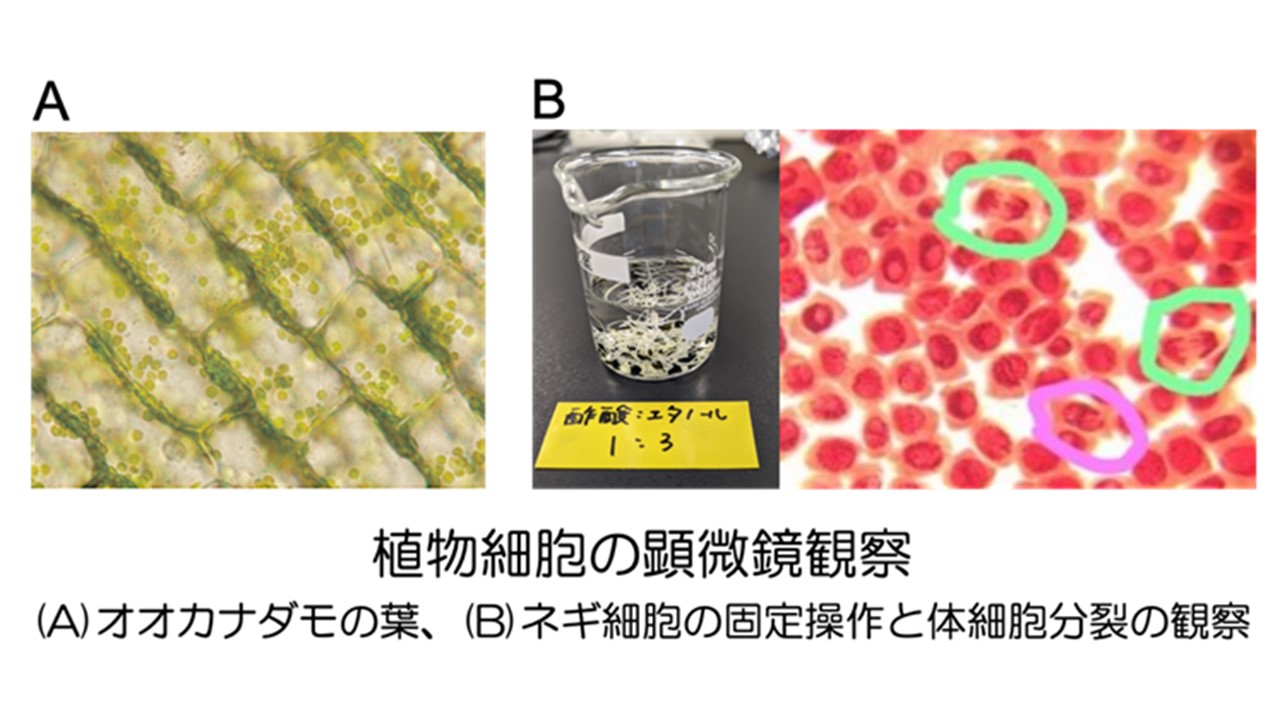
Cells, the basic unit of living organisms, are composed of biological molecules such as proteins, lipids, and nucleic acids (DNA and RNA), and are the site of reactions necessary for life and activity. Cells are tiny structures on a micrometer scale that cannot be seen with the naked eye, but we can peer inside them using an optical microscope. In biology lab experiments, we use a microscope to observe plant chloroplasts, cell division, and the structure and behavior of cells to investigate the mechanisms of life.
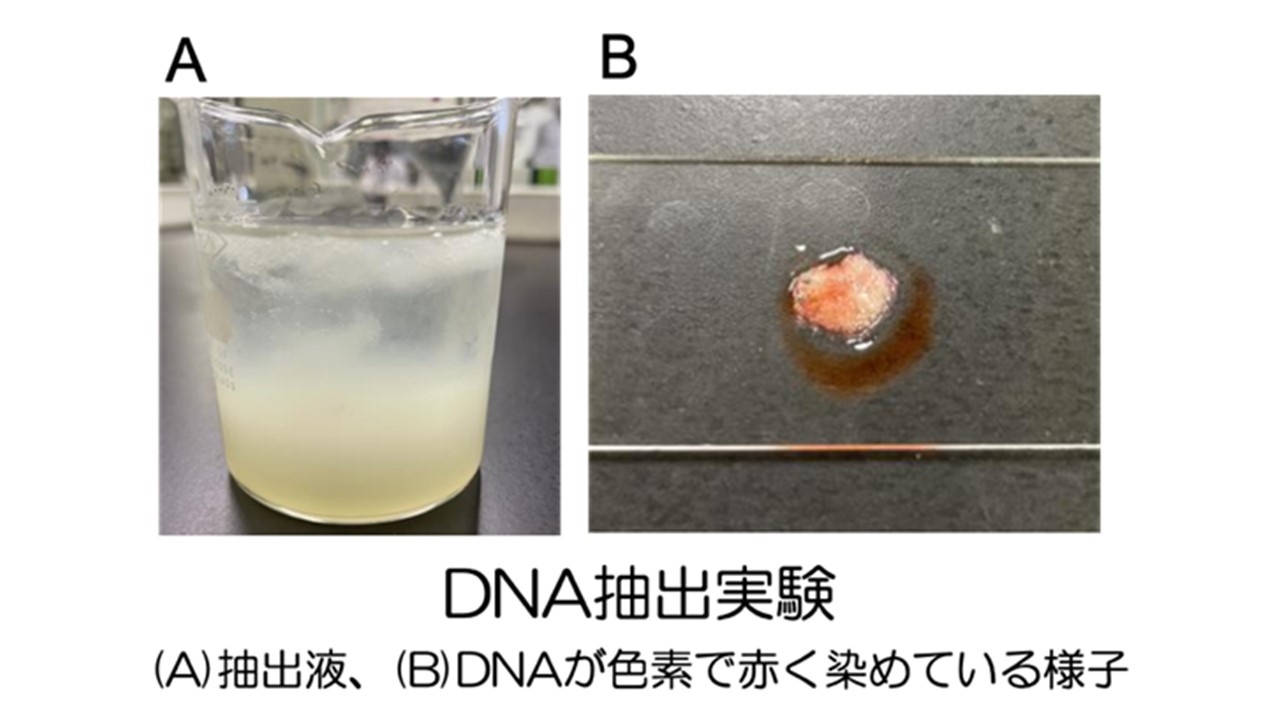
The genetic information of living organisms is encoded in a biological molecule called DNA (deoxyribonucleic acid). DNA is replicated every time a cell divides, ensuring that genetic information is distributed to daughter cells. This mechanism allows genetic information to be passed on to offspring and the basic functions of living organisms to be preserved within a population. It is also the subject of disease diagnosis and treatment in modern medicine, such as PCR testing, genetic testing, and gene therapy. DNA replication is an important mechanism for maintaining life and biodiversity, so be sure to thoroughly understand the structure and function of DNA through lectures and seminars.
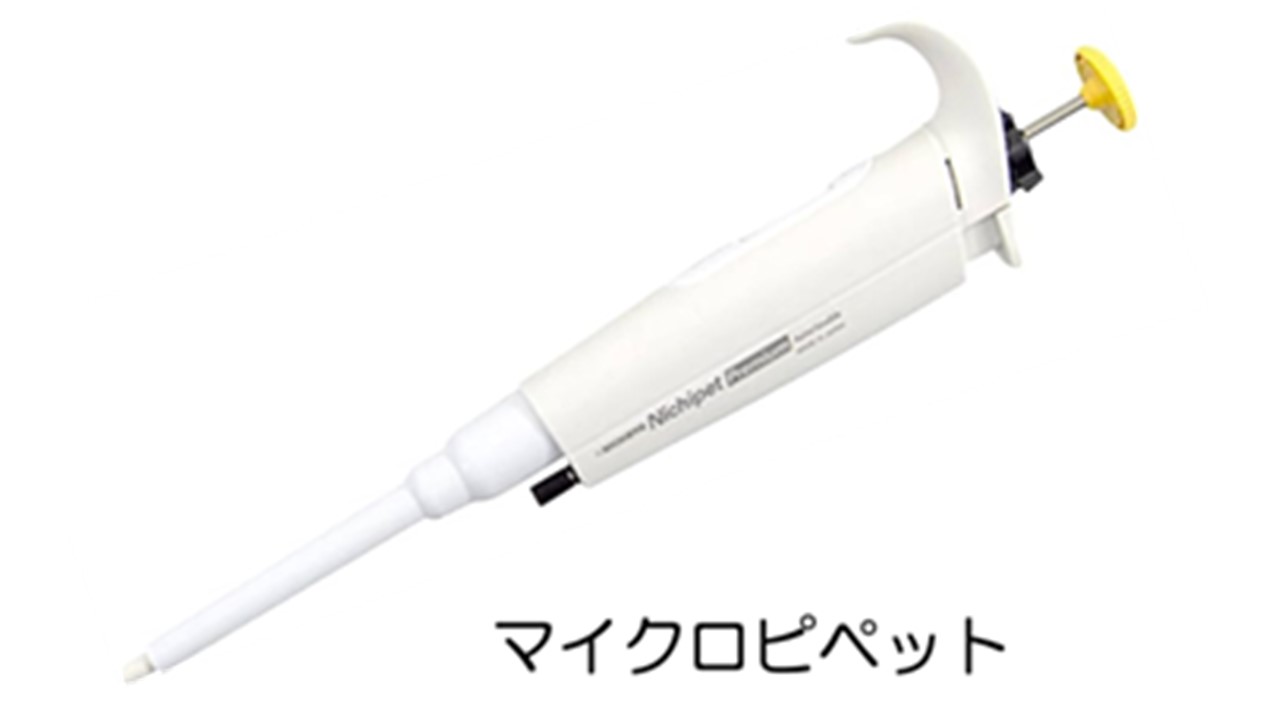
In research such as molecular cell biology, we handle minute amounts of liquid samples. For example, in PCR tests and biochemical tests, it is common to manipulate hundreds to a few microliters of reagents and samples. To manipulate minute amounts of liquid, we use micropipettes. Have you ever seen a medical researcher in a white coat manipulating something next to a laboratory table on TV or in a newspaper article? In many cases, the object being manipulated is a micropipette. Micropipettes are the most basic tool in life science research, so let's learn how to use them in a biology lab. Then, let's use a micropipette to practice common operations in biochemical tests.
I have introduced some of the content of the Science Lab course (biology), but what do you think? The mechanism of life, which creates cells from molecules and then composes individuals from cells, is complex, but by acquiring a scientific way of thinking through basic research methods in life science, I believe that we will be able to have in-depth discussions about the SDGs issues facing modern society and the relationship between living things and the environment.