
 3S
3S


Science Laboratory Intensive Course A
Science Laboratory Intensive Course A
In this intensive lecture, we will think about the Earth and the universe using the aurora as a keyword.
Students will conduct experiments related to light and electricity in the laboratory, becoming familiar with and deepening their understanding of physical phenomena.
Global warming and other environmental issues have recently become a concern for many people. However, the environment does not only concern the Earth and our surroundings; it also involves seemingly unrelated cosmic phenomena.
-
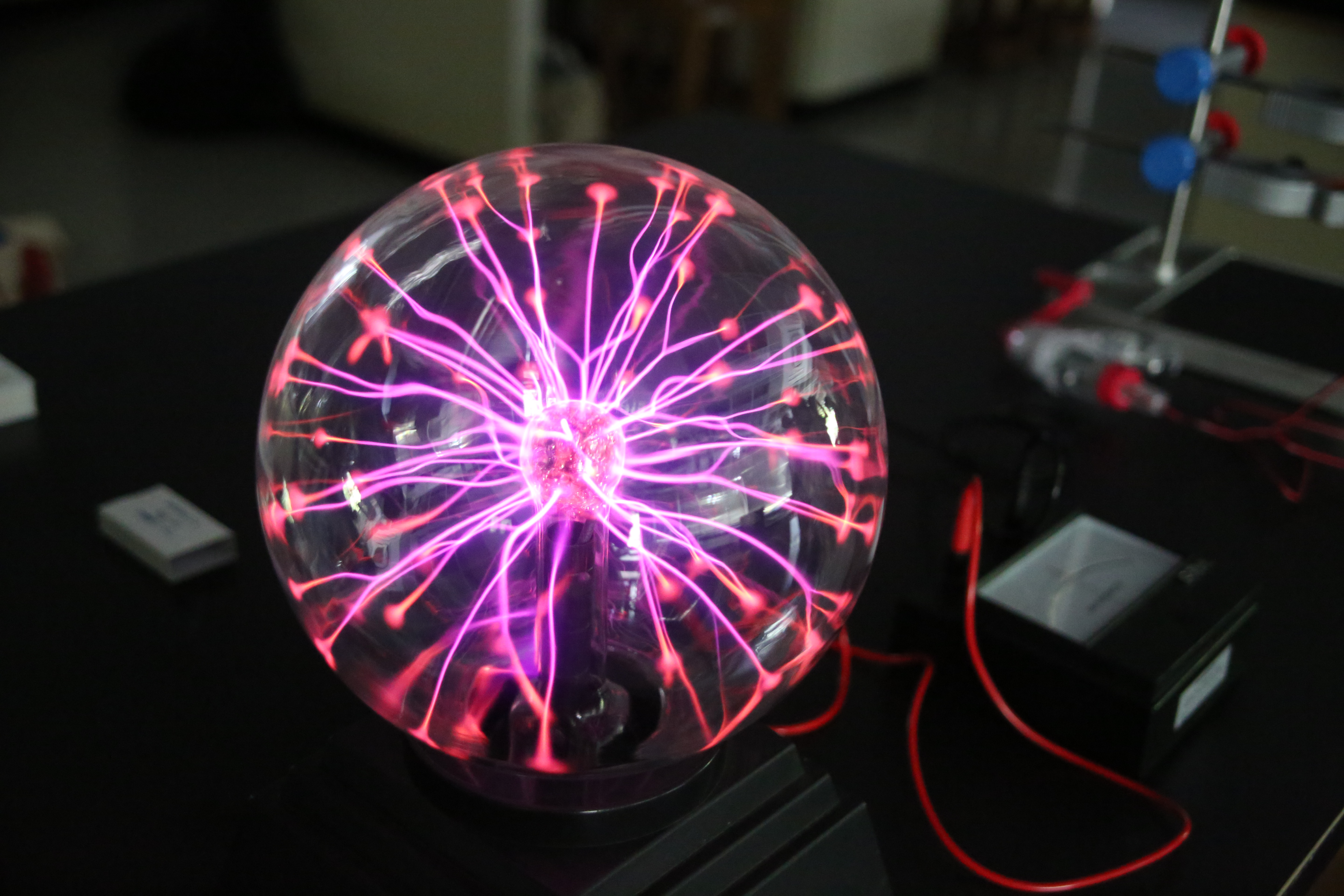
See and experience the discharge with a plasma ball -
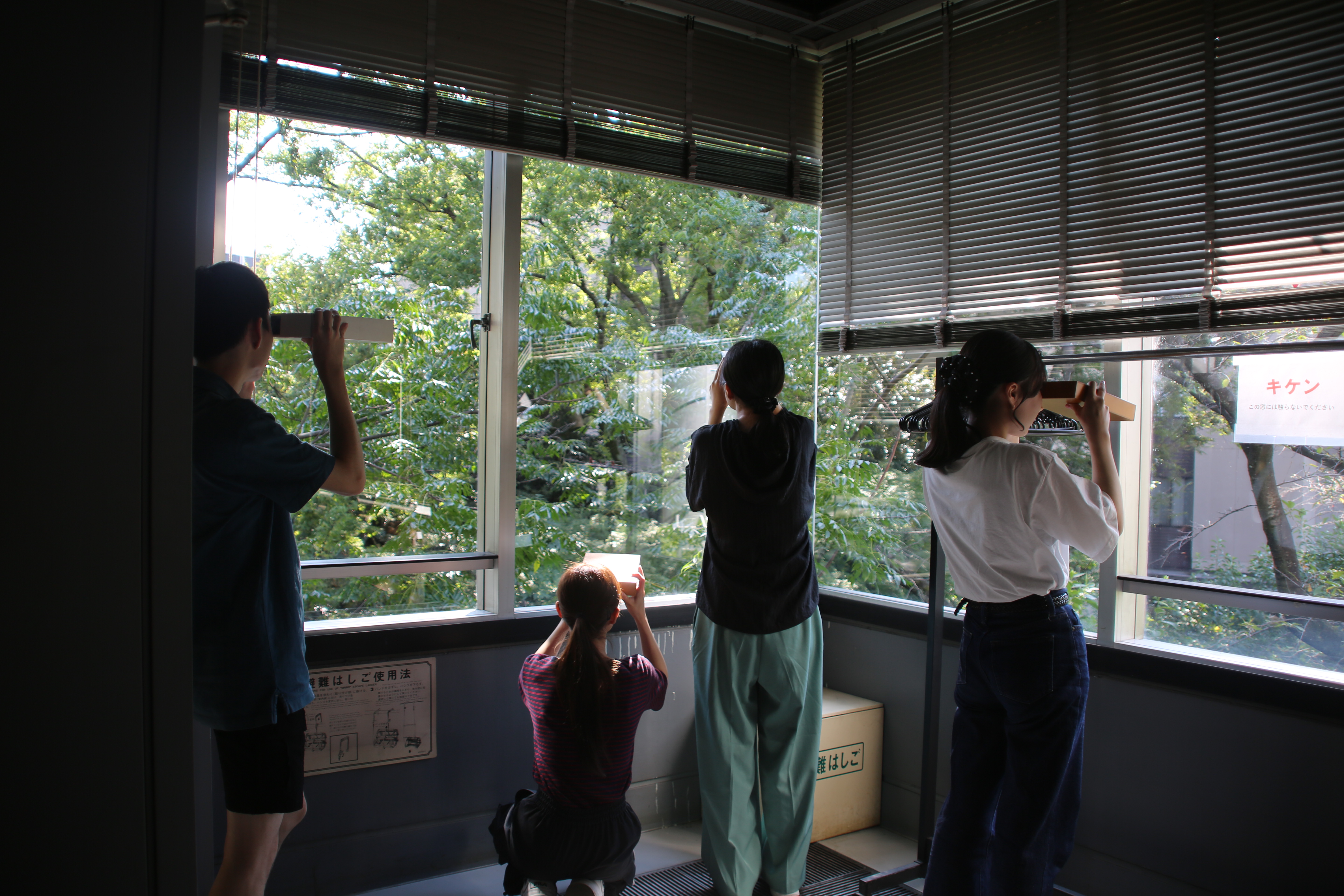
Observing the solar spectrum with a simple spectrometer -
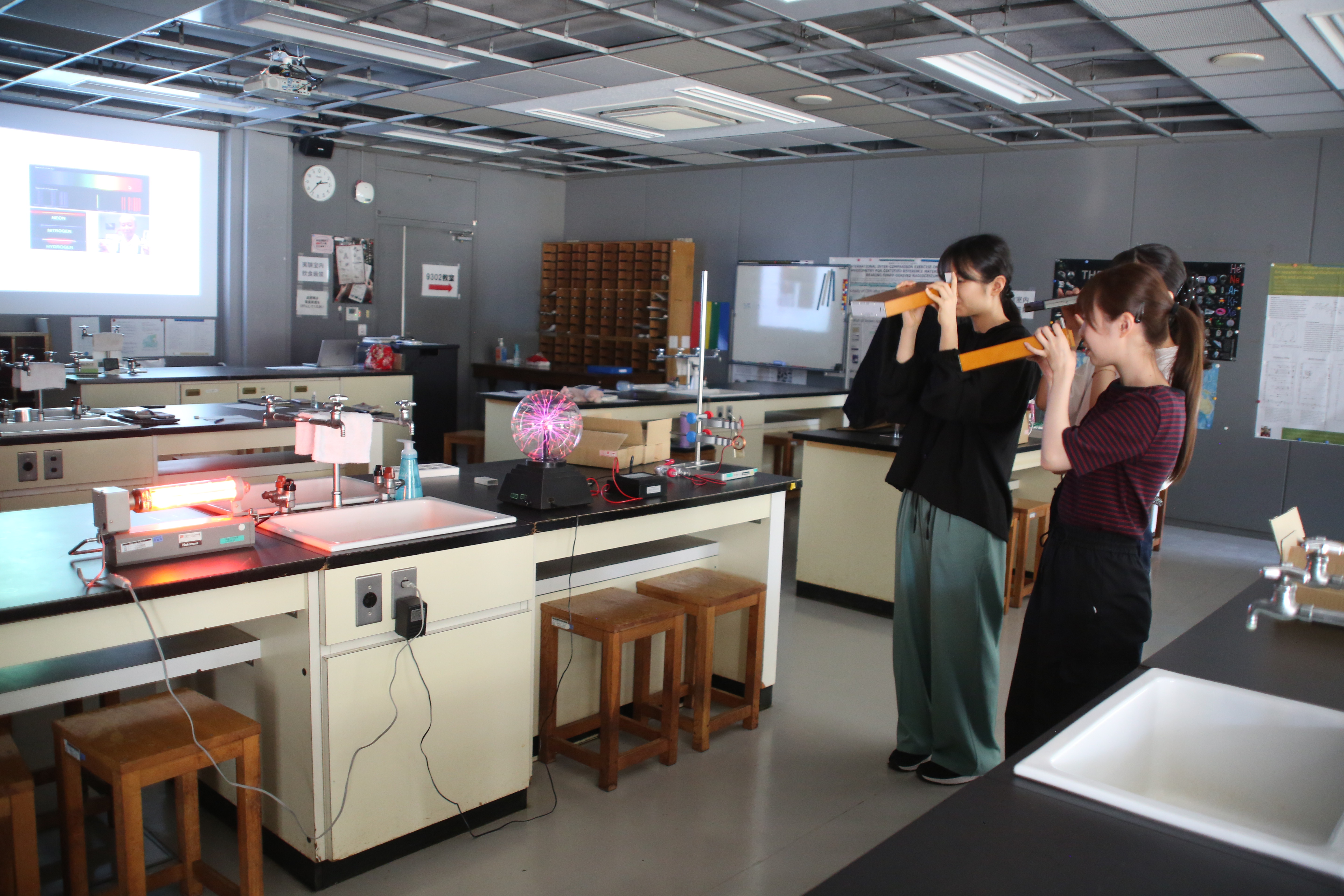
I'm observing the light emitted by the sodium lamp on the left.
The aurora is a luminous phenomenon in the Earth's atmosphere, but it is also a cosmic phenomenon that reflects activity in the sun and outer space.
If you search the Internet, you will likely come across explanations that say that auroras are caused by electric particles coming from the sun entering the upper atmosphere of the polar regions.
Let's think together about why auroras are a space phenomenon and how the Earth is affected by the space environment.
We will be conducting many experiments that will provide material for thought, so even students who feel they are not good at science will be able to come into contact with various phenomena in the laboratory and improve their scientific literacy, the teachers hope.
If you search the Internet, you will likely come across explanations that say that auroras are caused by electric particles coming from the sun entering the upper atmosphere of the polar regions.
However, this knowledge is actually from 100 years ago. In this class, you will learn about the latest research results on auroras.
Our professors have experience studying auroras and space as researchers not only in Japan but also in Taiwan and at NASA in the U.S. We look forward to discussing a variety of topics with you.
-
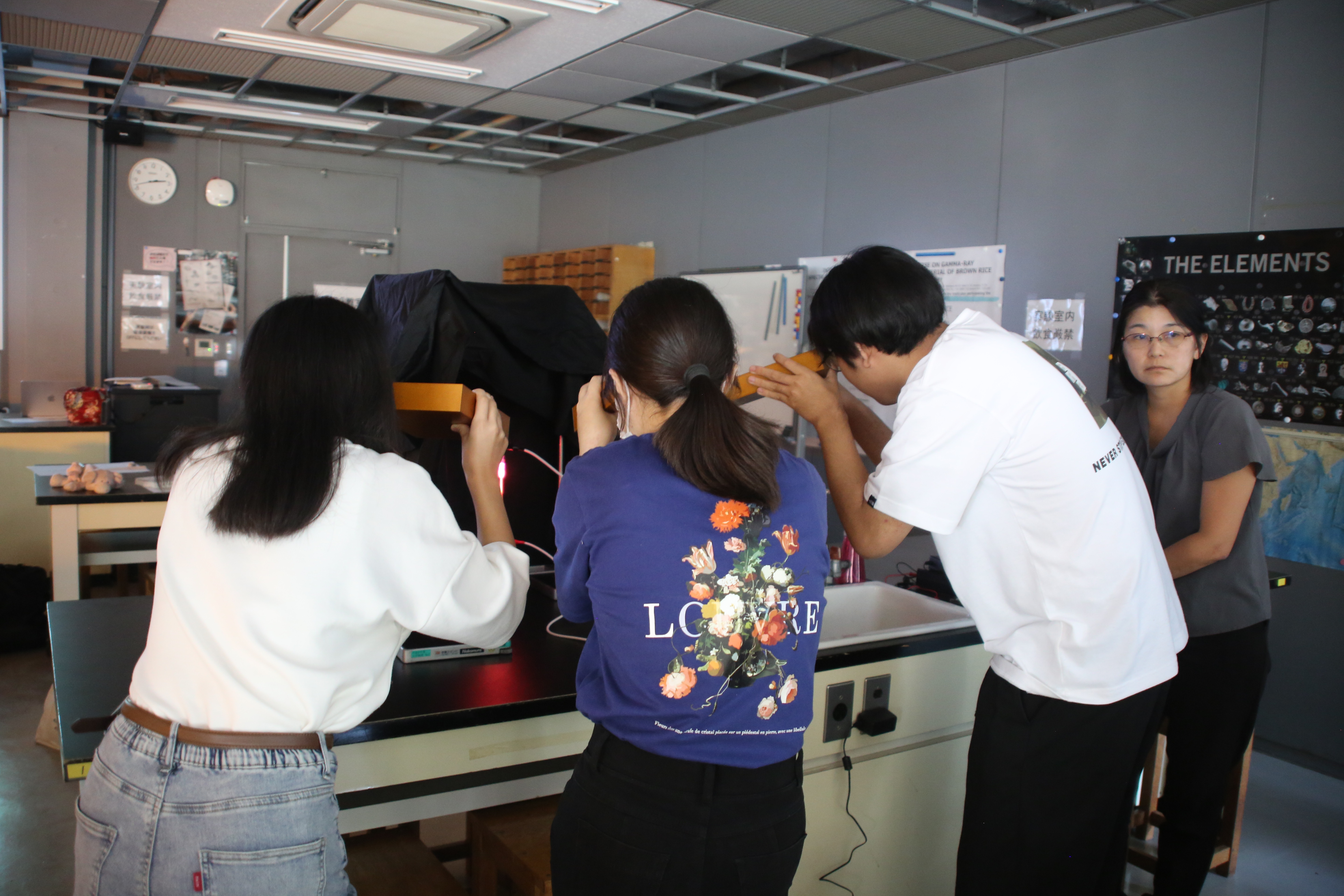
You can experience unusual experiments using high voltage -
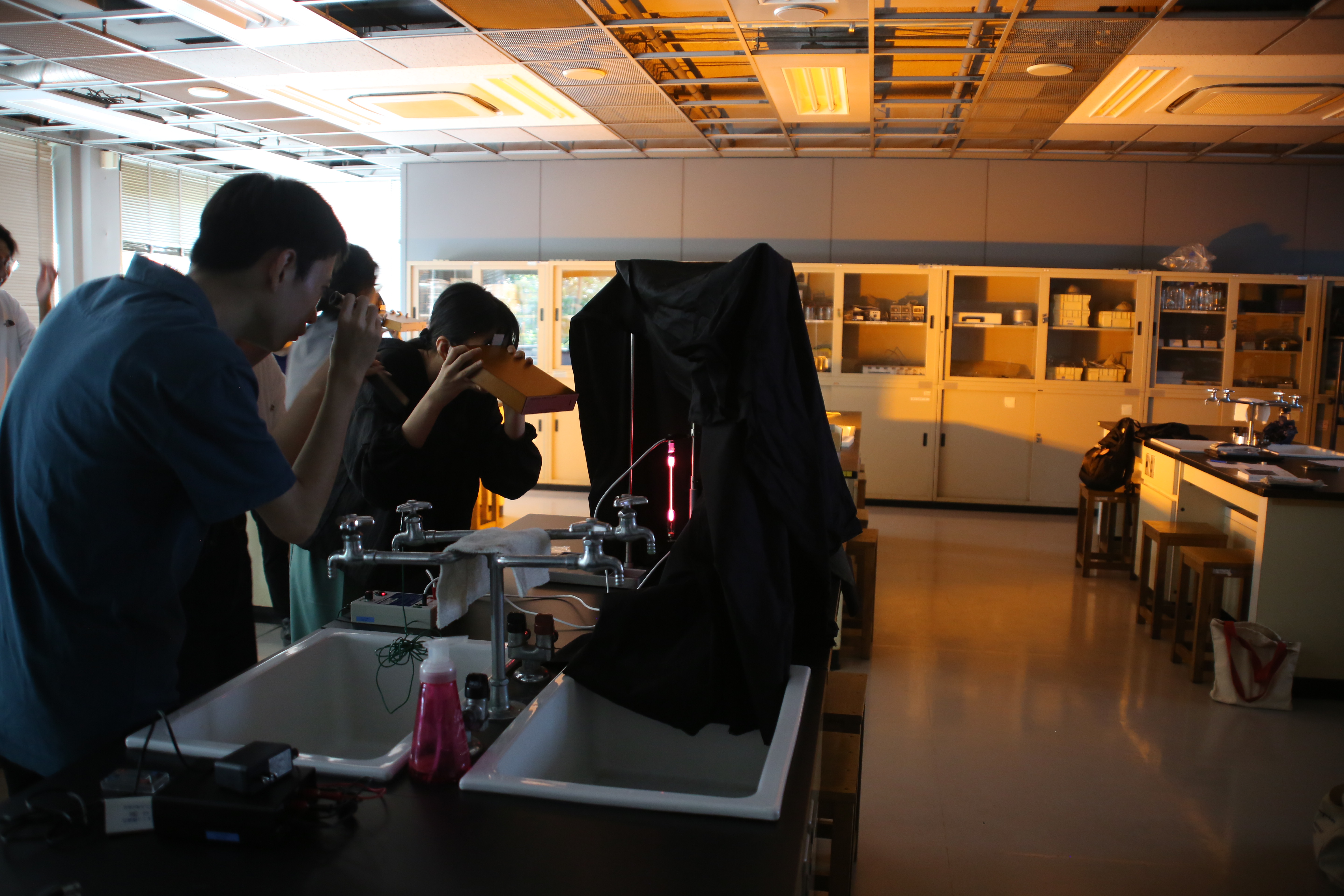
Students will observe the light emitted by atoms and learn about its characteristics. After becoming familiar with how to use a spectroscope, they will observe the light in a darkroom. -
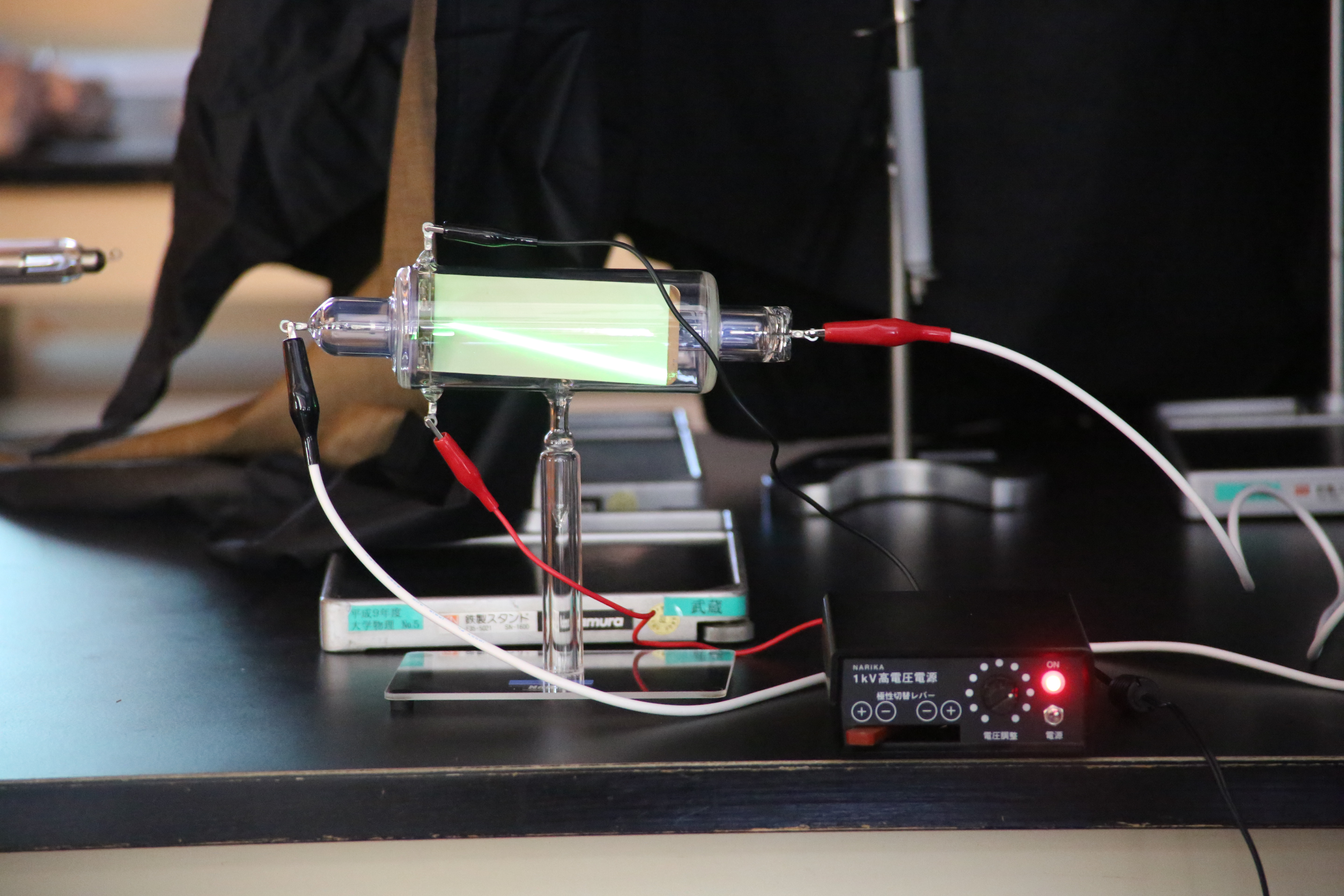
Learn about electron movement through discharge experiments
It is important to actually touch the material and try it repeatedly during the experiment, so you need to be motivated to carry out the experiment, but you will not need to have technical knowledge or perform calculations.
In each class, students are required to create a quiz and submit a report on the answers they have written. The quizzes are presented to the entire class or to a group, and students must actively learn from each other in order to receive credits.
In each class, students are required to create a quiz and submit a report on the answers they have written. The quizzes are presented to the entire class or to a group, and students must actively learn from each other in order to receive credits.
-
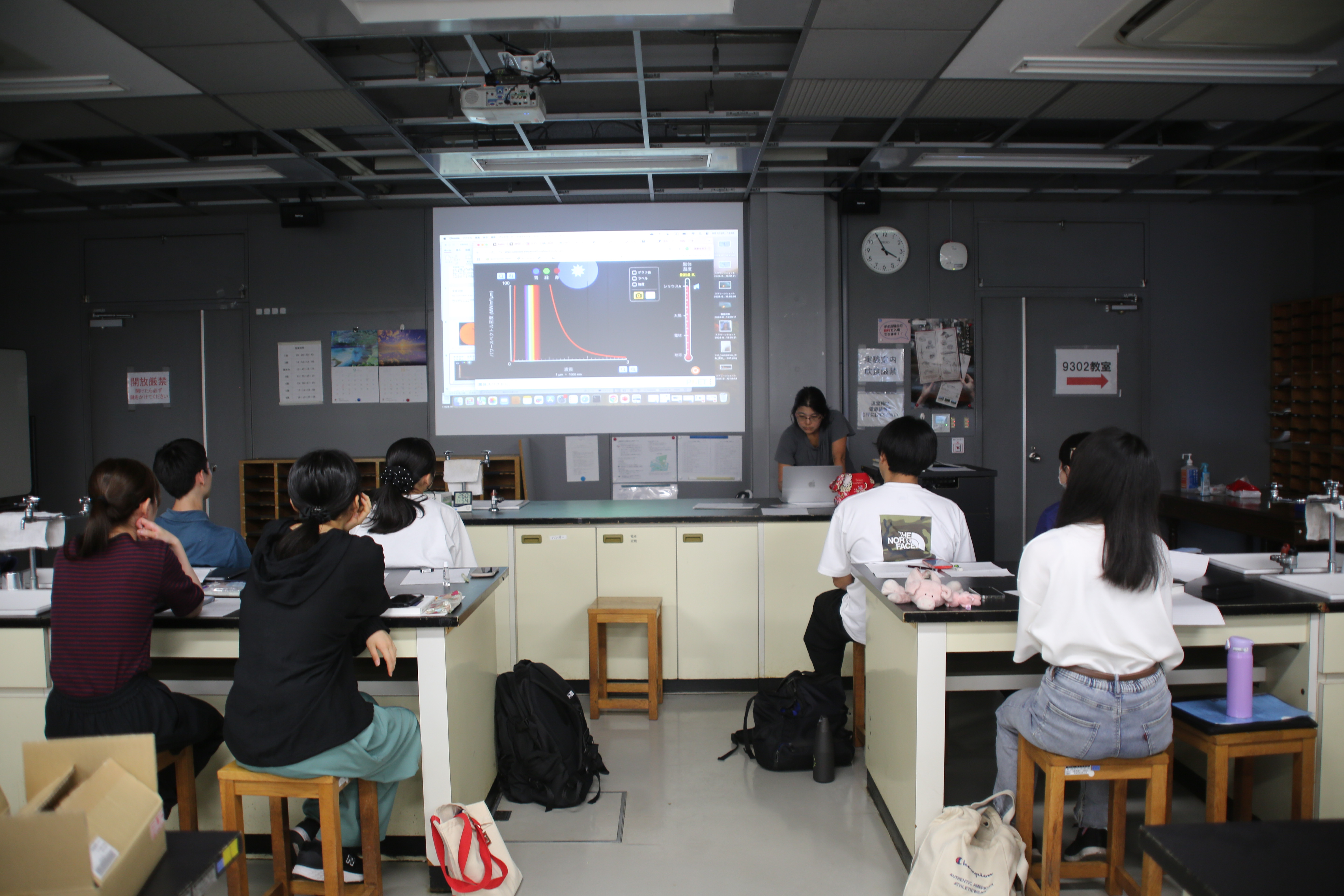
This is a lecture using slides. Slides will be distributed at Musashi 3S. -
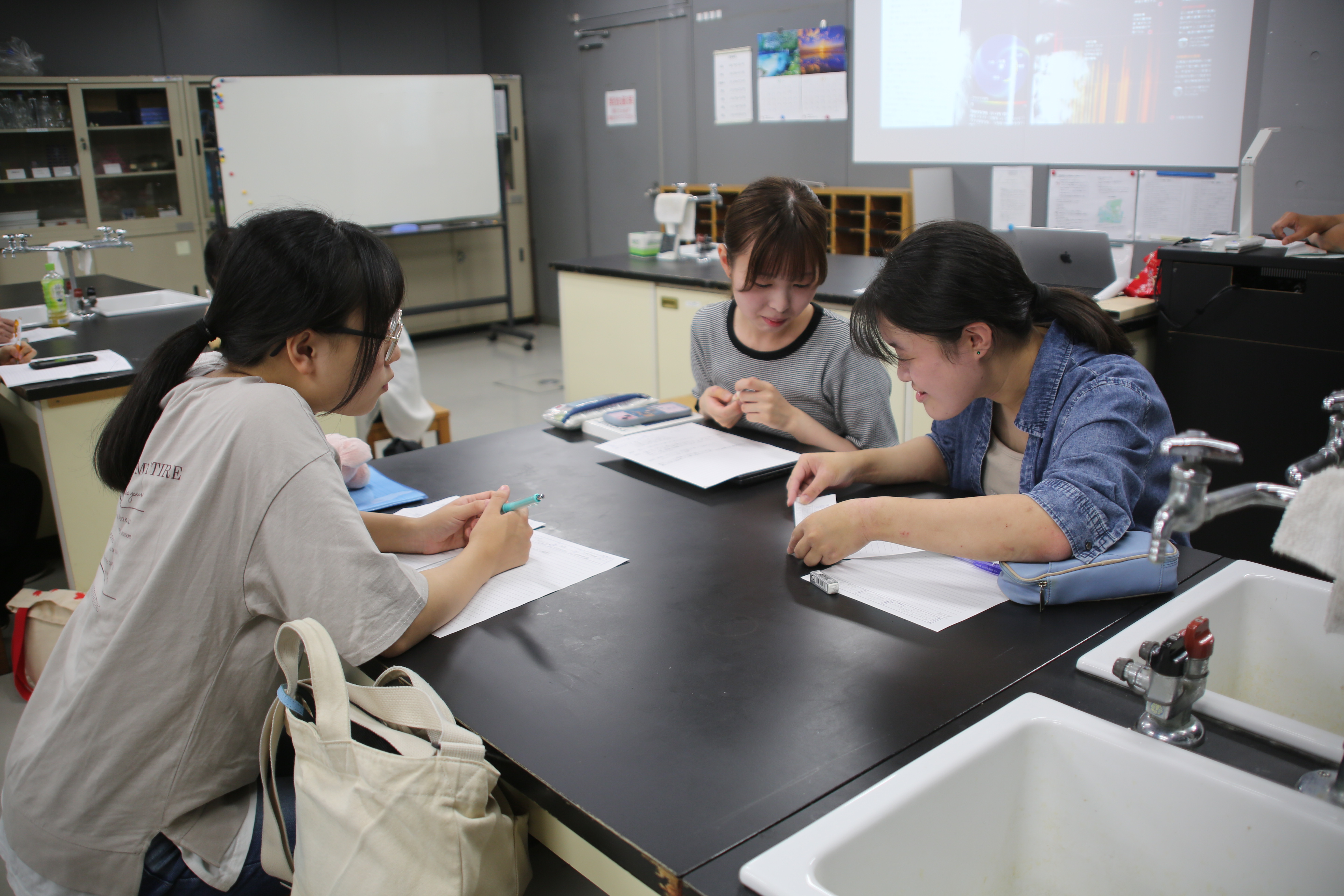
Group quizzes and reports