
 3S
3S


リベラルアーツ&サイエンス教育ブログ

2025.12.05
- 外国語
How to Read Texts Deeply: A Key Skill for Today’s Fast-Paced Society
ブログ投稿者:リベラルアーツ&サイエンス教育センター(LASEC) 専任講師 アラン・エリー・べ
In an age where information moves at lightning speed, the ability to read deeply has never been more critical. Many of us scroll, skim, and jump between ideas without fully engaging with what we read. However, deep reading—slowing down, analyzing meaning, and reflecting on ideas—is essential for understanding complex issues, forming opinions, and communicating effectively.
So what does it mean to read a text deeply?
Deep reading involves more than just understanding the surface meaning of words. It means recognizing the author’s message, evaluating key ideas, questioning assumptions, and connecting the text to broader social or global issues. Deep reading requires attention, curiosity, and a willingness to think critically.
So what does it mean to read a text deeply?
Deep reading involves more than just understanding the surface meaning of words. It means recognizing the author’s message, evaluating key ideas, questioning assumptions, and connecting the text to broader social or global issues. Deep reading requires attention, curiosity, and a willingness to think critically.
Using Summaries to Strengthen Deep Reading Skills
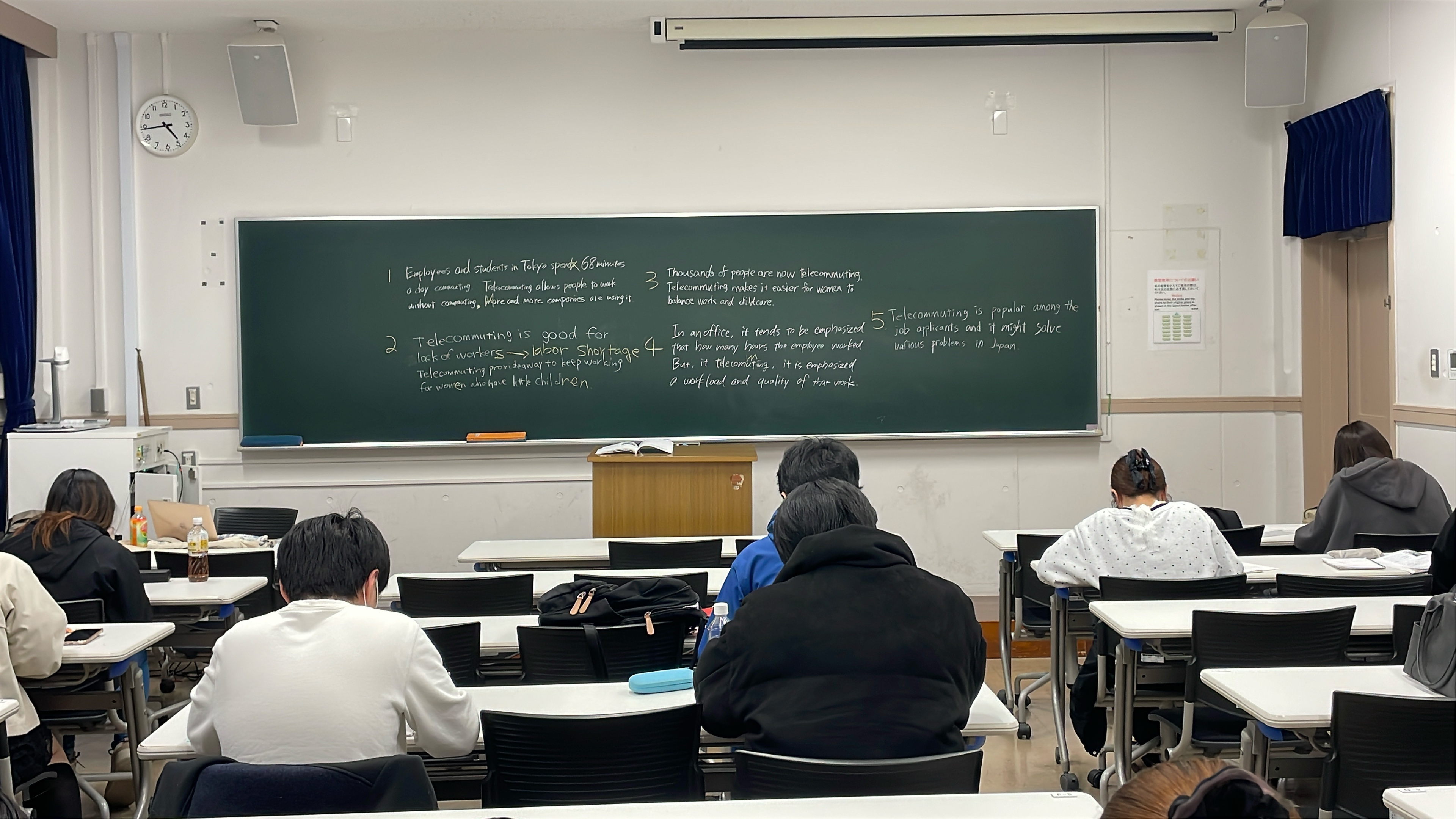
One of the most effective ways to train ourselves to read texts deeply is through summarizing. In our class, students practice identifying the main points of a text and expressing them in their own words. This process encourages students to slow down and examine the text carefully.
Summarizing is more than a simple writing exercise—it is a powerful reading strategy. To summarize well, students must:
Summarizing is more than a simple writing exercise—it is a powerful reading strategy. To summarize well, students must:
•Identify the central ideas
•Distinguish essential information from minor details
•Understand the author’s purpose
•Reconstruct the meaning in clear, original language
By doing so, they are not just skimming the text; they are engaging with it thoroughly. Summarizing transforms passive reading into active comprehension, strengthening both understanding and retention.
By doing so, they are not just skimming the text; they are engaging with it thoroughly. Summarizing transforms passive reading into active comprehension, strengthening both understanding and retention.
A CLIL Approach: Learning English Through Real Japanese Social Issues
Because this course follows the principles of CLIL (Content and Language Integrated Learning), students explore significant social issues in Japan through English. The textbook includes topics such as:
•Freeters and NEETs
These themes give students opportunities to learn English while expanding their understanding of important social issues. Beyond the textbook, we also read authentic materials from real newspapers and magazines.
For example, one recent article students read was:
“Many in Japan advocate for drug education to combat cannabis abuse.”
I intentionally select readings that connect to students’ lives or introduce them to relevant debates happening in today’s society. Authentic articles expose students to natural vocabulary, real-world writing styles, and diverse viewpoints—skills essential for academic and professional communication.
•Freeters and NEETs
•Japan’s declining birth rate
•Cults and social influence
•Cults and social influence
These themes give students opportunities to learn English while expanding their understanding of important social issues. Beyond the textbook, we also read authentic materials from real newspapers and magazines.
For example, one recent article students read was:
“Many in Japan advocate for drug education to combat cannabis abuse.”
I intentionally select readings that connect to students’ lives or introduce them to relevant debates happening in today’s society. Authentic articles expose students to natural vocabulary, real-world writing styles, and diverse viewpoints—skills essential for academic and professional communication.
Building Critical Thinking Through Discussion
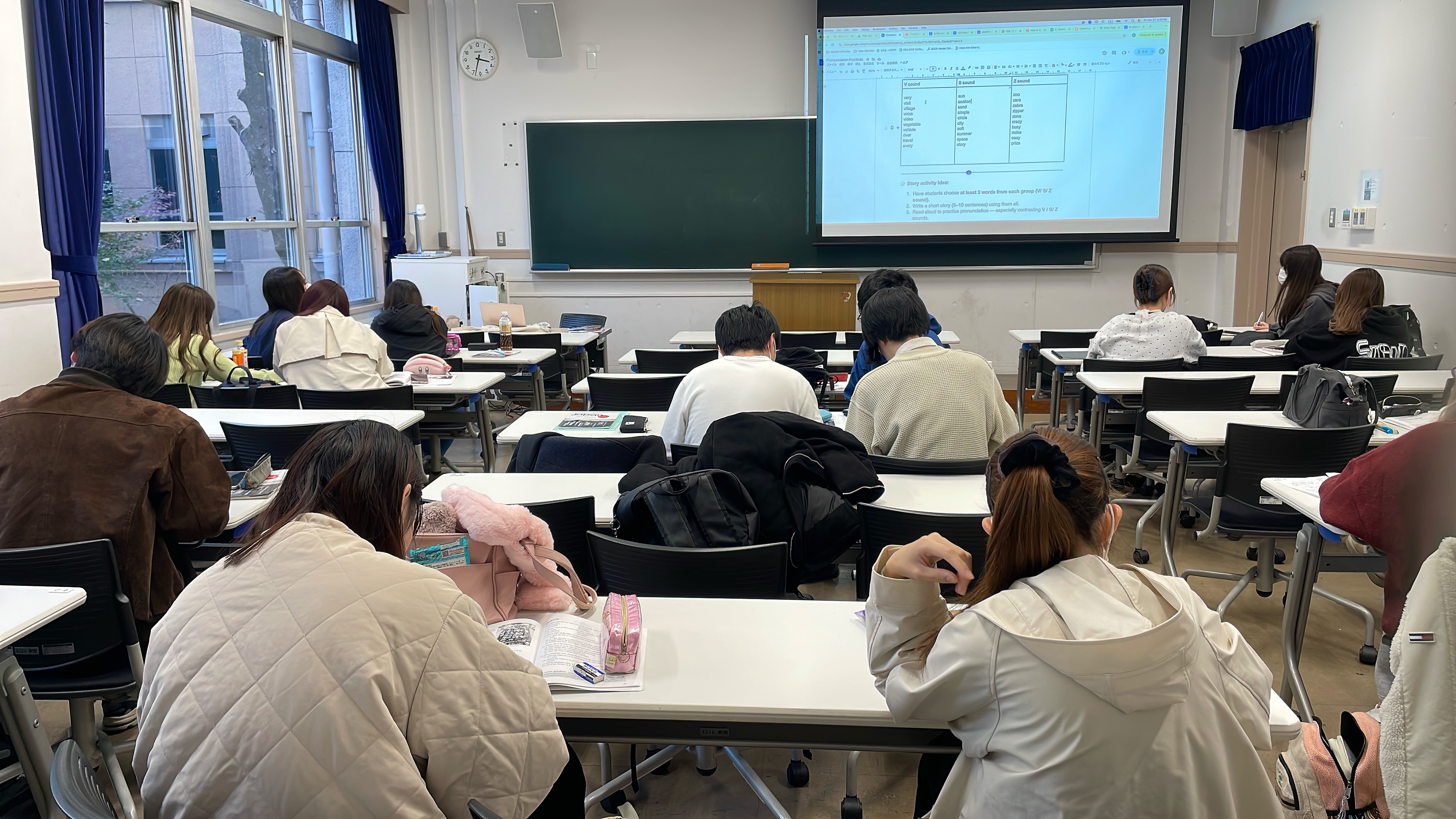
Reading deeply also means thinking deeply. After reading, our class engages in lively discussions that push students to develop their perspectives and articulate them clearly.
For instance, after reading an article on immigration, students discussed:
“What do you think are the positive and negative aspects of immigration?”
Conclusion: Deep Reading and Learning English at Musashi University
In today’s fast-paced and interconnected world, deep reading is no longer optional—it is a necessary skill for academic success, informed citizenship, and meaningful communication. Through summarizing, analyzing authentic articles, and participating in discussions, students learn how to read texts with depth and intention.
At Musashi University, this skill is nurtured within a supportive, interactive English-learning environment. By exploring real-world social issues in English, students not only improve their language proficiency but also develop the critical thinking abilities needed to understand Japan and the broader world. Deep reading empowers them to become thoughtful, capable communicators—an essential quality for future global leaders.