
NEWS

2026.02.19
- 研究会
- 総合研究機構
イベント
3月21日(土)武蔵大学国際シンポジューム『東アジアの長期停滞』をオンライン開催します。Musashi University JPE Symposium: Secular Stagnation in East Asia
概要
- 日時:2026年3月21日(土)15:00~18:00
- Date: 15:00 to 18:00 Saturday, 21 March 2026, in Tokyo
- オンライン開催 Zoom
- お申込み〆切:3月10日(火)
- Registration Deadline: 10 March 2026
東アジアが21世紀の世界経済の成長エンジンとなるとの期待が高いが、東アジアの経済成長に相異なる2つの懸念が増大している。
第一に、東アジア経済が逆風に直面していることが次第に明らかになってきている。特に東アジアでは人口動態の高齢化が加速していることから、これらの経済も長期停滞に直面するのではないかという懸念が広がっている。日本の「失われた数十年」が東アジア全域に広がる可能性を、東アジアにおける一方でのスタートアップ熱やイノベーション活動、他方での生産性の伸びの鈍化、格差の拡大、そしてデフレの進行との矛盾の関係で、検討する必要がある。第二に、東アジアの経済成長はアメリカの覇権を脅かし地政学的緊張が増大している。1938年にアルビン・ハンセンが初めてこの言葉(長期停滞)を使った時のように、「軍事ケインズ主義」という形で報復行動を引き起こし、世界経済が分断される可能性がある。
この国際シンポジュームでは、次の点を検討する。
(1)東アジアの人口動態が引き起こす長期停滞のパターン。
(2)デジタル化による急速な技術変化が日本と東アジアに与える影響。
(3)金融の産業支配の拡大とグローバル化が日本と東アジアにあたる影響。
(4)アメリカと中国の軍事ケインズ主義が世界経済の分断に発展する懸念。
Expectations have been high that East Asia would serve as the global economy's growth engine in the twenty-first century. At the same time, it has become increasingly clear that these economies face headwinds, not least in north-east Asia, from accelerated demographic ageing, leading to fears that these economies, too, face the prospect of secular stagnation, and that Japan's 'lost decades' could spread much further afield. While such a possibility tends to get drowned out by the clamour of geopolitical tensions in East Asia, the contradictions between febrile startup and innovation activity on the one hand and slowing productivity growth, growing inequality, and, indeed, deflation on the other are worth exploring. Conversely, as when Alvin Hansen first used the term in 1938, there is a possibility of a coming countermovement, in the form of 'military Keynesianism.'
This symposium is organised with contributions to the Japanese Political Economy.
https://www.tandfonline.com/toc/mjes20/current
49-1 (Spring 2023) Secular stagnation as a new great depression
49-4 (Fall 2023) Is secular stagnation in Japan and the world the beginning of a new great depression?
50-2 (Summer 2024) The rise and fall of the export-led industrialisation model in the changing global economy
51-4 (Fall 2025) Secular Stagnation and the End of Capitalism
52-1 (Spring 2026 Forthcoming) Secular Stagnation in East Asia
司会(敬称略)Moderators
-

Nobuharu Yokokawa, Musashi University, Japan -

Radhika Desai, University of Manitoba
報告者 討論者(敬称略)Speakers and Discussants
-
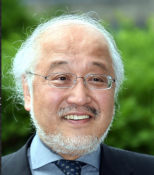
Takahiro Fujimoto, Waseda University -

Tomoo Marukawa, The University of Tokyo -

Brieuc Monfort, Sophia University
-

Sousuke Morimoto, Rikkyo University -

Kang-Kook Lee, Ritsumeikan University
プログラム Programme (Japan Time)
| 15:00-15:10 |
開会の挨拶Opening
Nobuharu Yokokawa and Radhika Desai |
|---|---|
| 15:10-16:30 |
報告 Presentations
1. Takahiro Fujimoto, Growth, Stagnation, and Resilience: The Japanese Manufacturing Industry in the Post-Cold-War Period
2. Brieuc Monfort. Secular Stagnation in East Asia: Structural, Cyclical, or Political? 3. Tomoo Marukawa, Will China enter a secular stagnation? Implications from Japan's experience in urban housing development. |
| 16:40-17:40 |
パネルディスカッション Round table
Discussants: Sosuke Morimoto and Kang-Kook Lee
|
| 17:40-18:00 |
閉会の挨拶 Closing
Radhika Desai and Nobuharu Yokokawa |
お申込み・お問い合わせ Registration 【開催終了しました】
- 使用言語
- 英語 Language: English
- 参加費
- 無料
- お申込み〆切
- 3月10日(火)
- Registration Deadline: 10 March 2026
* The registration form will be sent to Nobuharu Yokokawa, professor emeritus at Musashi University.